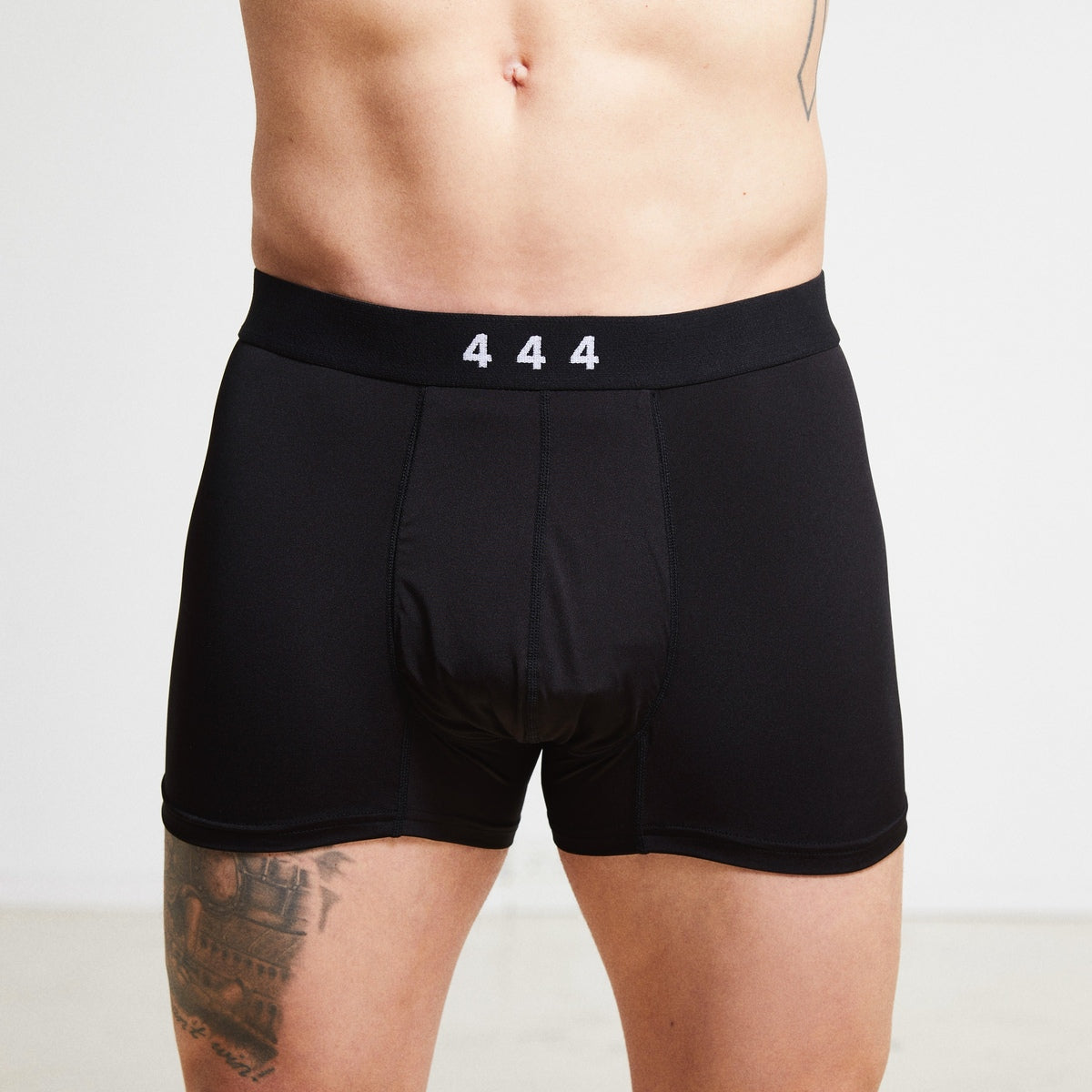
Wenn Sie Blasenschwäche bisher mit Einlagen oder Erwachsenenwindeln bewältigt haben, haben Sie sich sicher gefragt, ob waschbare Inkontinenzunterwäsche wirklich ein Fortschritt ist. Hier ist der ehrliche Vergleich — Komfort, Wirtschaftlichkeit, Diskretion, Hautgesundheit, Umwelt —, damit Sie entscheiden können, was zu Ihrer Situation passt.

Kurze Antwort
| Wenn Sie erleben… | Beste Wahl |
|---|---|
| Leichte Leckagen (Husten, Niesen, Sport) | Waschbare Unterwäsche, 90 ml |
| Mittlere bis stärkere tägliche Leckagen | Waschbare Unterwäsche, 350 ml |
| Starke nächtliche Leckagen über 350 ml | Einlagen oder Hybridlösung |
| Täglicher Gebrauch + Wunsch nach Diskretion | Waschbare Unterwäsche |
| Kurze Reise, kein Zugang zu Waschmöglichkeiten | Einlagen (kurzzeitig) |
Für die meisten Menschen mit leichter bis mittelschwerer Harninkontinenz ist waschbare Unterwäsche die beste tägliche Lösung. Einlagen sind in spezifischen Situationen weiterhin nützlich — nicht als Standard.
Überblick: die fünf zentralen Unterschiede
| Faktor | Einlagen | Waschbare Unterwäsche |
|---|---|---|
| Gefühl | Kunststoffrückseite, kann rascheln | Weich, wie normale Unterwäsche |
| Kosten (1 Jahr) | Laufend, vierstelliger Betrag jährlich | Höhere Anschaffungskosten, danach fast null |
| Diskretion | Sichtbare Wölbung unter enger Kleidung | Unsichtbar unter der Kleidung |
| Hautgesundheit | Hält Feuchtigkeit an der Haut | Atmungsaktiv, leitet Feuchtigkeit weg |
| Umwelt | Täglicher Müll auf der Deponie | Hunderte Male verwendbar |
Der Rest dieses Ratgebers erklärt jeden Punkt in verständlicher Sprache.
1. Komfort und Gefühl

So fühlen sich Einlagen an
Kunststoffrückseite, Klebestreifen oder Gummizüge, die drücken können, spürbare Dicke unter der Kleidung. Man kann es tragen — aber man spürt es deutlich.
So fühlt sich waschbare Unterwäsche an
Weicher Stoff auf der Haut. Sieht aus und bewegt sich wie normale Unterwäsche, da die Saugkraft in das Kleidungsstück integriert ist.
Warum das mehr bedeutet, als Leute glauben
Komfort entscheidet darüber, ob Sie das Produkt weiterhin verwenden oder stillschweigend damit aufhören. Für den täglichen Gebrauch ist dies der Unterschied, den die meisten zuerst bemerken.
2. Kosten im Zeitverlauf

Einlagen: billig pro Stück, teuer pro Jahr
Ein täglicher Nutzer gibt normalerweise jedes Jahr einen vierstelligen Betrag für Schutz aus — und diese Ausgabe wiederholt sich jedes Jahr, das ganze Leben lang.
Waschbar: höhere Anschaffungskosten, danach fast null
Sie benötigen normalerweise eine Rotation von 5–8 Paaren (damit immer frische zur Verfügung stehen). Danach sinken die Ausgaben auf fast null. Ein gut gefertigtes Paar hält hunderte von Waschzyklen.
Ein Faktor, den die meisten übersehen
In Dänemark kann waschbare Inkontinenzunterwäsche für eine kommunale Förderung gemäß Paragraph 112 des Serviceloven in Frage kommen. Einlagen werden in der Regel vollständig aus der eigenen Tasche bezahlt.
3. Diskretion

Warum Einlagen beim Diskretionstest durchfallen
Sie können rascheln, sich unter eng anliegender Kleidung als Wölbung abzeichnen und eine ständige, leichte Angst erzeugen: kann das jemand sehen?
Warum waschbare Unterwäsche hier gewinnt
Die absorbierenden Schichten befinden sich im Inneren des Kleidungsstücks. Es gibt nichts Zusätzliches, das zu verbergen wäre.
Für viele ist dies der lebensverändernde Unterschied: der Übergang vom Gedanken an den Schutz viele Male am Tag, zum Gedanken daran nur einmal, wenn man sich anzieht.
4. Hautgesundheit
Das Mikroklima der Einlagen
Die Kunststoffrückseite reduziert die Luftzirkulation. Wenn der Kern nass ist, liegt er an der Haut an. Über Monate und Jahre kann dies zu Irritationen, Ausschlag und wiederkehrenden Harnwegsinfektionen beitragen — besonders bei älteren Menschen.
Wie waschbare Unterwäsche anders ist
Atmungsaktive Stoffe und ein geschichtetes Absorptionssystem leiten Feuchtigkeit weg von der Haut. Das tägliche Gefühl, "trocken" zu sein, ist merklich anders.
Dies ist keine medizinische Aussage, dass das eine Hautprobleme verhindert und das andere sie verursacht — viele Faktoren spielen eine Rolle —, aber in der Praxis gibt es einen merklichen Unterschied.
5. Umweltauswirkungen
Ein täglicher Verwender von Einlagen trägt jedes Jahr zu einer erheblichen Menge an nicht recycelbarem Abfall bei. Die meisten enthalten Kunststoffe, superabsorbierende Polymere und Klebstoffe, mit denen aktuelle Recyclingströme nicht umgehen können. Waschbare Unterwäsche wird hunderte Male verwendet, bevor sie entsorgt wird.
Nicht das stärkste Argument für den Wechsel an sich — aber ein Argument, das immer schwerer wiegt.
Wie funktioniert waschbare Inkontinenzunterwäsche eigentlich?

Das Drei-Schichten-System
| Schicht | Funktion |
|---|---|
| Oben (zur Haut) | Leitet Feuchtigkeit weg — Sie fühlen sich trocken |
| Mitte (absorbierender Kern) | Schließt Flüssigkeit ein |
| Unten (auslaufsicher) | Verhindert das Durchsickern auf die Kleidung |
Das gesamte Kleidungsstück ist so konzipiert, dass es von außen wie normale Unterwäsche aussieht und sitzt — High-Waist, Mid-Rise, Slips oder Boxershorts.
Wahl der richtigen Saugfähigkeitsstufe

90 ml — leichte Leckagen
Ein Husten, ein Niesen, Bewegung, gelegentliches leichtes Tröpfeln. Die meisten Fälle von Belastungsinkontinenz fallen hier hinein.
350 ml — mittlere bis stärkere Leckagen
Nachts, ein ganzer Arbeitstag ohne einfachen Zugang zur Toilette oder größere gelegentliche Leckagen.
Sind Sie unsicher?
Die meisten Menschen beginnen mit einem Paar jeder Stufe und finden dann ihren tatsächlichen Bedarf. Die Größe ist genauso wichtig wie die Saugfähigkeit — sehen Sie sich unseren vollständigen Größenratgeber an.
Finden Sie Ihr Modell

Inkontinenzunterwäsche für Damen
Waschbare Modelle mit hoher Taille, Mid-Rise und Slip-Schnitt. CE-gekennzeichnetes Medizinprodukt. Bewertet mit 4,5★.
Damenkollektion ansehen →
Inkontinenzunterwäsche für Herren
Waschbare Boxershorts und Slips für Belastungsinkontinenz, Nachträufeln nach Prostatektomie und BPH-bedingten Harnverlust. CE-zertifiziert.
Herrenkollektion ansehen →Häufige Einwände – ehrlich beantwortet
„Ist das Waschen nicht unangenehm?“
Nicht mehr als bei anderer Unterwäsche. Kurz nach Gebrauch ausspülen und anschließend bei 60 °C mit der restlichen Wäsche in der Maschine waschen.
„Was ist, wenn es ausläuft?“
Innerhalb der angegebenen Kapazität ist gut verarbeitete, waschbare Unterwäsche absolut auslaufsicher. Leckagen entstehen meist durch eine falsche Saugstärke – nicht durch das Produkt selbst.
„Ist Wegwerf-Unterwäsche nicht hygienischer?“
Nein. Die Wäsche bei 60 °C ist ein hygienischer Standard, der auch in Krankenhäusern für Textilien des täglichen Gebrauchs angewendet wird.
„Was mache ich an einem besonders schlechten Tag?“
Nutzen Sie an anspruchsvollen Tagen (lange Meetings, Reisen, Sport) ein Modell mit höherer Saugstärke und an normalen Tagen ein leichteres Paar.
Wann Einwegprodukte weiterhin sinnvoll sind
Drei ehrliche Situationen:
- Starke nächtliche Inkontinenz mit über 350 ml Kapazität
- Rehabilitation nach Operationen mit eingeschränkter Mobilität
- Kurze Reisen, bei denen Waschen nicht praktikabel ist
Viele Nutzer setzen auf ein Hybrid-Modell: waschbare Unterwäsche für den Alltag und einen kleinen Vorrat an Einwegprodukten für diese spezifischen Situationen.
So gelingt der Wechsel: ein Drei-Schritte-Plan
- Finden Sie Ihr Niveau. Leicht (90 ml) oder moderat (350 ml)? Wählen Sie für Ihr erstes Paar im Zweifel die höhere Kapazität.
- Starten Sie mit 1–2 Paaren. Testen Sie diese, bevor Sie in eine komplette Ausstattung investieren.
- Bauen Sie Ihre Sammlung auf. Die meisten Nutzer landen bei 5–8 Paaren, sobald sie sich bei Größe und Saugstärke sicher sind.
Häufig gestellte Fragen
Wie lange hält waschbare Inkontinenzwäsche?
Hunderte Waschzyklen – dies entspricht typischerweise mehreren Jahren regelmäßiger Nutzung.
Kann ich sie nachts tragen?
Ja, besonders die 350-ml-Modelle. Bei sehr starkem Harnverlust können Sie zusätzlich eine Matratzenauflage für mehr Sicherheit verwenden.
Kann ich sie mit der restlichen Wäsche waschen?
Ja, bei 60 °C mit einem normalen Waschmittel. Vermeiden Sie Weichspüler – dieser reduziert mit der Zeit die Saugfähigkeit. Im Trockner bei niedriger Temperatur trocknen oder lufttrocknen lassen.
Entstehen Gerüche?
Moderne absorbierende Textilien verfügen über geruchshemmende Schichten. Korrekt gewaschene Wäsche nimmt keine Gerüche an.
Wird dies in Dänemark von der Kommune unterstützt?
In vielen Fällen ja – gemäß §112 des Servicelovens. Informieren Sie sich in unserem §112-Leitfaden.
Welche Größe sollte ich bestellen?
Die Größen entsprechen weitgehend normaler Unterwäsche, mit leichten Anpassungen für die absorbierende Schicht. Nutzen Sie unsere Größentabelle oder kontaktieren Sie unseren Kundenservice für eine persönliche Beratung.